Slab leak detection Holmes Beach FL begins with a question many inland searches never ask: what is this floor actually built on? The city's housing mixes newer slab-on-grade construction with older raised cottages and homes set on piers, and the answer changes where a leak can hide. Reading the structure correctly comes first, because a search aimed at the wrong floor type wastes time and opens things it should never touch.
How Under-Slab Diagnosis Actually Works
When supply lines run through or beneath concrete, instruments do the reaching that hands cannot. Each method adds a different layer of proof.
- Acoustic listening. Ground microphones and surface pads hear pressurized water escaping under concrete, narrowing the search to a small patch of floor.
- Thermal imaging. Warm tracks across a floor betray a hot supply line losing water below, while cold patterns can flag runs that were abandoned or rerouted.
- Moisture and pressure evidence. Slab readings combined with isolated pressure tests confirm whether water is entering the slab envelope and which branch feeds it.
Proof stacks until one spot explains every clue. That is when a location gets marked, and it is also the only point at which anyone talks about opening concrete.
Signs Worth Treating as Slab Suspects
Floors tell on themselves early when you know which complaints matter. Treat the patterns below as reasons to book, especially when two arrive together.
- A floor that feels warm underfoot with the water heater far away
- Carpet or tile that stays damp along one edge with no spill to explain it
- Water that seems to move beneath your feet while every fixture sits quiet
- A county bill that creeps upward without any habit to blame
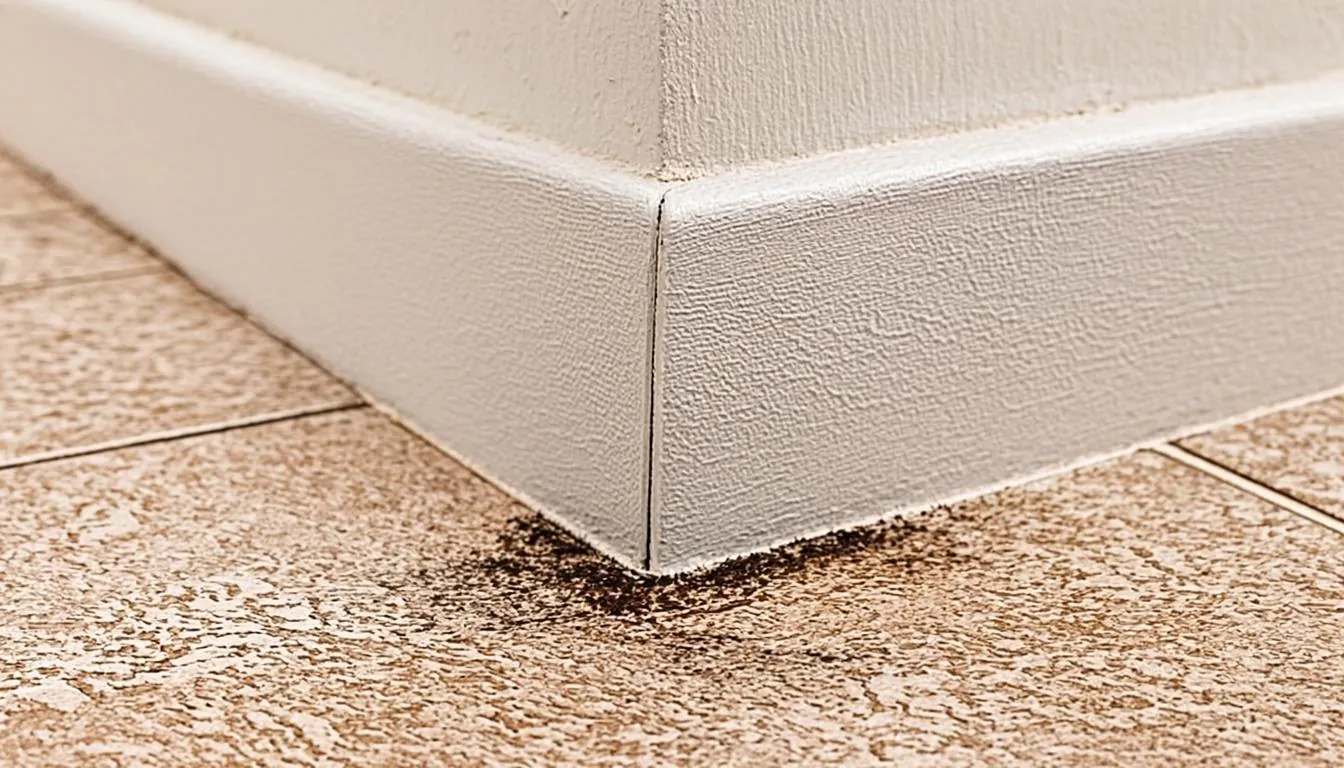
- Baseboards that darken or a floor that begins to dome and lift
Neutral causes sit behind most of these symptoms: aging materials, pipe degradation, joint failure, or ground settlement. Naming the specific culprit on your property is what the diagnosis exists to do, and it happens after the leak is found rather than before.
The Diagnostic Sequence on a Beach-City Lot
Structure first, then isolation, then sound: the order protects both the building and the search. Skipping a step shows up later as a bigger opening than the problem deserved.
- Confirm the structure. Floor type, plumbing routes, and renovation history get sorted out before instruments come out.
- Isolate the branches. Supply sections are valved off one at a time, and the gauge shows which run refuses to hold.
- Trace with sound and heat. Acoustic gear and thermal imaging walk the failing branch until the signals converge on one patch of floor.
- Mark and document. The confirmed location is photographed and recorded so the repair phase can be planned around it.
- Plan the opening, if one is needed. Access is designed afterward and kept to the smallest footprint the fix allows.
Reading the Evidence: What Each Finding Suggests
| Finding during the survey | What it points to | The next move |
|---|---|---|
| Signals converging on one floor patch | A pressurized line in or under the slab | Mark the spot and plan the smallest workable opening |
| Damp readings stopping at an exterior wall | Moisture entering from outside rather than a supply leak | Check drainage, roof runoff, and the envelope first |
| Pressure holding on every branch | The supply system is probably sound | Move the search toward drains, the pool, or irrigation |
| Warmth tracked along a single floor path | A hot water run losing water below the surface | Confirm with acoustics, then weigh spot repair versus reroute |
Set the jurisdictional frame first: Holmes Beach is one of three municipalities on Anna Maria Island in Manatee County, and Manatee County Utilities supplies the water that reaches these lots, meter to home. The meter reading is where every slab conversation starts.
What Slab Leak Detection Costs in Holmes Beach
Budget a range of $175 to $575 for the search itself, with slab work sitting toward the higher end when finishes are extensive or the failing branch is hard to isolate. You approve the plan before any surface is opened. Repair work is quoted per case from there, with the choice between spot repair, rerouting, and repiping depending on what the structure allows. Epoxy lining enters the conversation only as a specialty case when the structure suits it, never as a default.
Why Island Construction Demands This Order
Beach-city lots leave little room for exploratory demolition. Sand and shell sit close beneath the surface, and after wet weather the water table can sit close too, so a careless opening can flood its own work area, and torn-up floors in a rental cost bookings while they heal. Proving the location first is not caution for its own sake; it is how a small repair stays small.
Mixed construction adds the other wrinkle. Raised homes keep plumbing in crawl spaces where ears and eyes work well, while slab homes bury it in concrete where instruments must listen through the floor. The survey is built around whichever setup your property has, so the technique follows the structure rather than a script, and on older island blocks that discipline is the whole value of slab leak detection Holmes Beach FL.
Why Holmes Beach Chooses Sarasota Leaks
Decades of Under-Floor Proof
Over two decades of locating concealed plumbing failures across the Gulf Coast shape every slab survey, and the island is part of the standing service area, so the drive out is a normal day rather than a special trip. Experience with mixed coastal construction means the floor type question is answered before the search starts, not after a wrong opening. That head start is worth more than any single instrument.
Location Before Demolition, Always
The find-it-first process keeps openings small: nothing is broken until sound, heat, and pressure all point at the same spot. A marked leak is a repair question, while an unmarked one is an open invitation to damage. Every step of the survey is built to keep you on the right side of that line.
The Number That Answers
Call (941) 337-1250 whenever a floor starts telling its story and you will reach a dispatcher, not a menu. Crews stage the full instrument set on every visit, and active leaks get priority routing so a spreading problem never waits out a weekend. The company behind the call brings 20+ years of leak work on this coast.
Concrete rewards patience and punishes guessing. A survey that proves the floor, isolates the branch, and marks the spot turns a frightening symptom into a routine repair decision, and that outcome is what every visit is built to reach. Book slab leak detection Holmes Beach FL in one call to (941) 337-1250, day or night.
Related Services
If the problem points beyond this page, these pages cover the usual next steps:
Frequently Asked Questions
Is every Holmes Beach house built on a slab?
No. The city mixes newer slab-on-grade homes with older raised cottages and structures set on piers or crawl spaces, which is why a proper survey confirms the floor type and plumbing routes before any instrument work begins. Diagnosing the wrong structure wastes time, and this visit is designed to avoid that from the first minute.
Why is one patch of my floor warm underfoot?
A warm track usually means a hot water supply line is leaking below or within the floor and releasing heat as it escapes. It is one of the clearest early clues a slab can give, and thermal imaging can often trace the whole path before anything is opened.
Will you have to break the floor to find it?
Finding and opening are separate steps. Acoustic, thermal, and pressure evidence converge on a location first, and only a confirmed spot justifies concrete work afterward. Many raised homes avoid slabs of any kind entirely, and even on slab properties the opening is designed around the marked point rather than by exploration.
Which repair paths follow a confirmed slab leak?
You receive a written report with the marked location, the evidence behind it, and photographs, and then repair options are laid out per case. Spot repair, rerouting, and repiping each fit different structures, and the choice depends on what the building allows rather than on a preset package.
Could damp flooring mean something other than a slab leak?
Yes, and the survey accounts for that. Roof runoff, exterior drainage, wet sand under a low lot, and even a potted plant overwatered near a wall can imitate slab symptoms. Pressure testing separates these lookalikes quickly, because a supply system that holds pressure rules out an under-slab source.
Prove the Slab Leak First
Sound, heat, and pressure mark the spot before anyone touches concrete.
Get a Free Estimate
Connect with top-rated local pros in minutes
Need immediate plumbing assistance?
Prefer to talk to a specialist now? Call (941) 337-1250
Safe & Secure. Free matching service with licensed local contractors.