Slab leak detection Longboat Key FL calls begin with an honest framing note: construction varies across the island, and not every building rests on a slab-on-grade foundation. Plenty do, and in those homes the supply lines run under or through concrete, where a leak can soak a floor system for weeks without showing. Diagnosis in that setting is an instrument problem, not a demolition problem, and this page explains how it gets solved.
What the Visit Looks For
Under-slab diagnosis leans on four evidence streams, used in whatever order the symptoms suggest.
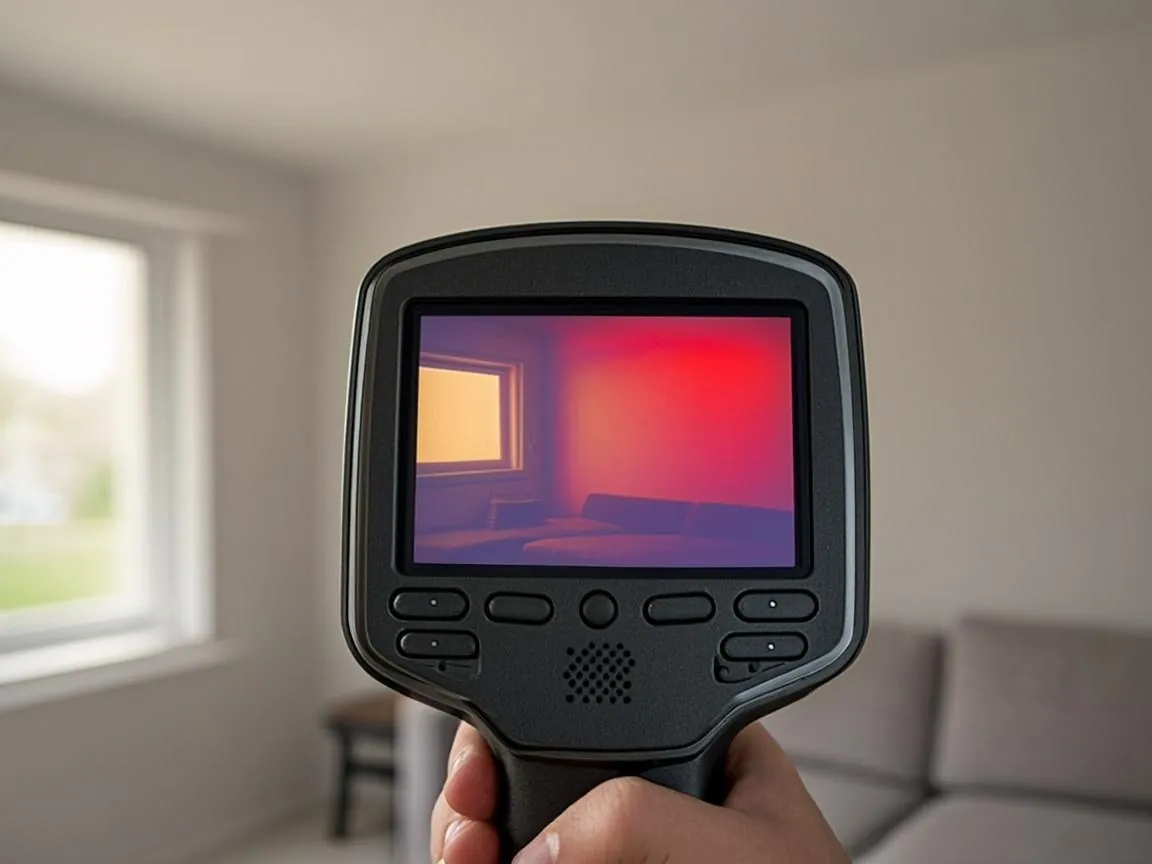
- Thermal imaging. An infrared camera reads a floor's temperature patterns, and a warm track on a slab often follows a hot supply line losing water below.
- Acoustic listening. Sensitive microphones hear the hiss or drip of water escaping pressurized pipe, even through tile and concrete.
- Moisture mapping. Readings along baseboards and floor fields chart how far water has traveled from its source.
- Pressure and isolation testing. Separating hot from cold, then branch from branch, narrows the search until one segment owns the evidence.
None of these tools needs the floor broken to do its work. That is the point: the location comes first, and any opening afterward is planned, small, and single-purpose.
Signs Worth Taking Seriously
Slab leaks announce themselves indirectly. The pipe stays hidden, so the cues surface in finished materials and in the bill.
- A floor patch that feels warm underfoot with no heating explanation
- The sound of water moving with everything in the home switched off
- Baseboards that swell or flooring that cups without a spill to blame
- A meter that keeps moving with the whole home shut down
- Carpet or tile that stays damp in one zone and never fully dries
Any one clue can have a simple cause. Two or more, especially after a bill spike, make instruments the sensible next step.
How the Search Narrows to One Spot
Method beats muscle in this sequence. Five steps take a visit from vague worry to marked point.
- History and symptoms. The walkthrough establishes when clues started and which rooms are involved.
- System split. Hot and cold sides get isolated so the evidence points at one half of the plumbing.
- Surface survey. Thermal, acoustic, and moisture passes cover the affected zone in overlapping tracks.
- Confirmation. The strongest reading gets cross-checked with a second method before anyone calls it.
- Marked result. You receive the location, the documentation, and a repair recommendation; the repair stage can be scheduled from there.
Matching Floor Symptoms to Their Tools
A few common pairings show how the evidence gets read.
| What you notice | First method out | What it proves |
|---|---|---|
| Warm area on a tile or stone floor | Thermal imaging | A hot line losing water under the slab leaves a temperature track |
| Hissing or dripping with no visible source | Acoustic listening | Pressurized leaks are audible straight through finished floors |
| Damp baseboard or cupping wood in one zone | Moisture mapping | Readings chart the water's path back toward the source |
| Meter creep with the home closed up | Isolation testing | Which branch loses pressure points to the segment at fault |
The survey happens within the Town of Longboat Key's limits, where the Town itself runs water and wastewater, so meter evidence comes straight from the municipal utility.
What Slab Leak Detection Costs in Longboat Key
Slab leak detection Longboat Key FL visits mostly land between $175 and $575, with access and the methods involved moving the number inside that band. Repair work is priced per case once the leak is marked, since depth, slab thickness, and surface restoration all influence the scope. Nothing gets opened before the plan and its price are in front of you.
Why the Island Setting Matters Underfoot
Geology and construction history both play a part here. Low lots and a water table that often sits shallow mean ground moisture under a home is unremarkable on its own, so pressure evidence has to carry the diagnosis. Established properties mean older pipe materials are common, and aging materials, joint failure, ground settlement, or pipe degradation can each produce the same symptom set. Foundations differ from building to building, which is exactly why the survey confirms construction type before any conclusion gets drawn.
Occupancy adds the last wrinkle. Seasonal units can mask a slow under-slab leak for weeks, and by the time owners return, the evidence has spread. Meter data and periodic checks while a unit sits empty close that gap.
Why Longboat Key Trusts the Process
Two Decades of Reading Floors
Locating what hides beneath concrete has been this company's specialty for more than twenty years, and under-slab surveys are where that record shows fastest. The island sits inside the standing service area, so a follow-up visit after detection is measured in days rather than weeks. Experience shows up as fewer openings and faster answers.
Instruments Before Excavation
The toolbox travels together: thermal, acoustic, moisture, pressure, and meter evidence in one visit. That breadth matters under slab, where any single method can mislead. Confirmation with a second tool is the standard here, and it is written into every report.
A Dispatcher Answers, Always
Any hour of the day, the phone at (941) 337-1250 is answered by a person who logs symptoms and books the visit. Urgent situations move immediately. Everything else gets a window that fits the household calendar.
Warm floors and creeping meters deserve answers rather than guesses. Slab leak detection Longboat Key FL service ends with a written finding - a marked spot when a leak is confirmed - and a repair path sized to the actual problem. Book the survey while the evidence is still small.
Related Services
If the problem points beyond this page, these pages cover the usual next steps:
Frequently Asked Questions
Are all Longboat Key homes built on concrete slabs?
No, and honest framing matters here. Construction varies across the island: slab-on-grade homes, raised properties, and multi-story buildings all exist. The survey confirms your construction type before any conclusion is drawn, because diagnosis under a slab differs from diagnosis in a framed floor or a multi-story riser system.
Why does a warm patch on the floor point to a slab leak?
Hot supply lines run through or under the slab, and water escaping one transfers heat into the surrounding concrete and flooring. A patch that feels warm underfoot, especially against neighboring floors, is a classic signal. Thermal imaging confirms the pattern and traces the temperature track back toward the segment of pipe producing it.
Could ground moisture near the bay be mistaken for a slab leak?
It happens, which is why pressure evidence outranks damp readings here. Ground can sit close to the water table on an island this low, so moisture under a home is unremarkable on its own. Isolation testing and meter movement separate groundwater from a pressurized line losing water, and only the combination of signals supports opening anything.
What happens after a slab leak is located?
You receive the marked location, the documentation, and a repair recommendation sized to the finding. Small, accessible defects call for a spot repair, while extensive damage may justify rerouting or repiping, with lining considered only as a specialty case. Repair work is quoted per case once the location is known, and scheduling follows your calendar.
Is detection different in a multi-story island building?
The instruments are the same and the plumbing logic adds layers. Supply risers stack units vertically, so evidence has to be sorted floor by floor before a source is named, and verification includes the fixtures above and below the suspect zone. Coordination with owners or property managers for access is part of the planning from the first call.
Get a Clear Slab Answer
Instruments before demolition, with the leak marked and documented before any floor is opened.
Get a Free Estimate
Connect with top-rated local pros in minutes
Need immediate plumbing assistance?
Prefer to talk to a specialist now? Call (941) 337-1250
Safe & Secure. Free matching service with licensed local contractors.