Pool leak detection Holmes Beach FL starts by separating two very different explanations for a dropping waterline: the sun and a broken line. Beach-city backyards live in full sun, so evaporation gets the first excuse, and a simple bucket comparison settles that argument before instruments are spent on plumbing. From there, a sealed-system mindset takes over, because a pool can lose water through only so many doors.
A Sealed System Has Few Doors
Picture the pool as a closed container with three ways out: the shell and its finishes, the buried plumbing, and the equipment pad with its valves and fittings. Sorting which door stands open is the entire diagnostic problem, and it is solved with pressure and observation rather than by draining anything.
- Shell and finishes. Cracks, failed fittings, and worn plaster or liner seams weep water even while the pump sits still.
- Buried plumbing. Suction and return lines running under the deck leak hardest on the pressure side, which shows up as loss whenever the equipment runs.
- Equipment pad. A dripping fitting, a failing seal, or a cracked manifold leaves its signature as damp ground behind the equipment.
The Bucket Test: Evaporation's Referee
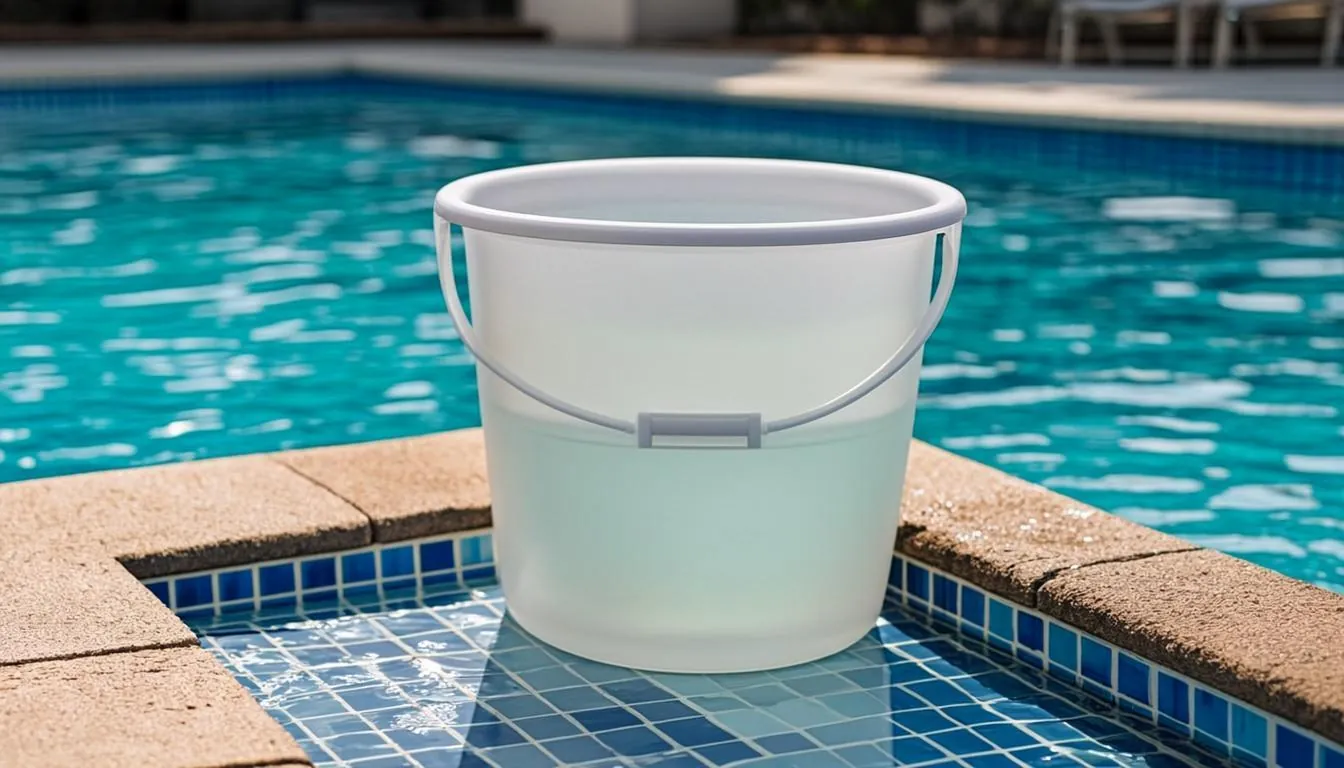
This comparison settles the evaporation question without a single tool, and it is worth running before anyone books a visit. The steps are simple enough for any owner.
- Set a bucket partway full of pool water on a step, then mark the waterline on the bucket and on the pool wall beside it.
- Leave everything running as usual for a day or two, and remember that rain, backwashing, or a pool party will spoil the reading.
- Compare the drops at the end: matching levels point to evaporation, while a pool falling faster than its bucket points toward a leak.
Results suggesting a real leak deserve instruments, and results pointing at evaporation deserve a longer look at splashing, wind, and sun exposure instead. Either way the question gets answered with evidence rather than anxiety, which is where pool leak detection Holmes Beach FL earns its keep.
Symptoms That Point Past Evaporation
Some clues bypass the bucket entirely and argue for a professional visit on their own. Treat any of these as a booking reason.
- Water level falling noticeably faster than neighboring pools under the same sun
- Damp or soft ground along one stretch of deck or beside the equipment pad
- Air bubbles drifting into the returns while the pump runs
- Chemical demand that swings without a schedule or weather explanation
- An autofill that runs constantly yet never seems satisfied
How the Search Isolates the Open Door
Diagnosis moves from the whole pool down to a single fitting, and every stage closes one more door. Expect the visit to run in this order.
- Loss mapping. Levels are compared with the pump running and again with it off, which splits losses between pressure plumbing and the shell.
- Pad inspection. Fittings, valves, and seals are checked under running equipment, where a wet pad speaks for itself.
- Line-by-line pressure testing. Each buried run is sealed and pressurized, and any gauge that drifts names the guilty line.
- Precision locating. Listening gear and dye confirmation pin the escape point so the repair targets inches rather than yards.
Reading a Pool's Clues Before Draining Anything
| Clue at the pool | Where the water is going | What confirms it |
|---|---|---|
| Loses more with the pump running | Pressure-side plumbing under the deck | Line-by-line testing with a gauge that drifts |
| Falls at the same rate either way | The shell, its fittings, or the finishes | Dye attraction and a quiet shell inspection |
| Wet ground behind the equipment | A pad fitting, seal, or manifold | Visual and pressure checks with the system running |
| Bucket and pool fall together | Evaporation rather than a leak | Repeat the test through a cooler stretch to be sure |
The utility picture behind the pool question: Holmes Beach sits in Manatee County on Anna Maria Island, where Manatee County Utilities provides the water supply feeding homes and their pools alike. That supply side stays separate from the sealed pool system throughout the search.
What Pool Leak Detection Costs in Holmes Beach
The locating visit usually runs from $175 to $575, and multi-line pressure testing with full isolation sits toward the upper part of that band. Repairs are quoted per case once the open door is identified. A pad fitting, a shell patch, and a buried line are three different jobs, and each gets its own scope and price after the leak is marked.
Beach-City Yards Change the Picture
Sand backfills fast and drains even faster, which hides the wet-ground clues that would shout on a clay lot. Heavy seasonal use adds chlorine swings and splash confusion, and a steady rental calendar means the pool may host strangers every week while nobody tracks how much water it truly drinks. Those conditions argue for measuring loss with instruments instead of eyeballing a tile line.
One boundary matters to the whole search: pool plumbing is its own sealed world. Keep it separate from irrigation and household supply, in your mind and in the repair plan alike, because a fix in one system should never be blamed on the symptoms of another. Escaping water that migrates toward the footprint of the house is a different question, and slab leak detection answers that one.
Why Holmes Beach Pools Call Sarasota Leaks
Two Decades of Sealed-System Work
Over two decades of hunting lost water across Gulf Coast properties include plenty of pools, and crews cross the water for mid-island calls on a steady rotation, so a visit costs a scheduling window rather than a logistics project. Familiarity with beach-city yards, from tight equipment pads to sandy backfill, keeps the search moving.
Pool, House, and Irrigation: Kept Separate
Diagnosis here respects system boundaries. The pool gets pool tools, the household supply gets its own instruments, and irrigation is treated as a separate question entirely. That discipline is what stops a refill problem from being misread as a plumbing emergency, or the other way around.
An Answer Before a Repair Bill
The goal of every visit is a specific finding: which door, which line, which fitting. With that in hand, any repair conversation becomes a scope conversation instead of a guess. Call (941) 337-1250 at any hour, and a crew carrying pressure rigs and listening gear heads your way.
Dropping water is a question, not a verdict. Between the bucket on the step and the pressure rig on the pad, the answer is always findable, and finding it costs far less than draining, refilling, and hoping. Pool leak detection Holmes Beach FL visits exist to turn that question into a marked door and a plan you can price.
Related Services
Common next steps after a finding like this:
The Same Service in Nearby Communities:
Frequently Asked Questions
How does the bucket test separate evaporation from a leak?
Set a bucket of pool water on a step, mark its waterline and the pool's waterline, and leave the system running normally. If the pool drops faster than the bucket over a day or two, water is escaping beyond what the sun explains, and instrument diagnosis becomes the next step.
Should the pump run or stay off during the test?
Run it normally, because the goal is to measure the pool under real conditions. A second comparison with the equipment off can add detail later, since losses that change when the pump stops point toward plumbing rather than the shell. Rain, backwashing, and heavy splashing will spoil a reading, so plan around them.
Can a pool leak damage anything besides the water bill?
It can. Water escaping under a deck or behind a shell can erode the sand bed that supports the structure, swell soil against coping, and leave damp zones where chemistry goes wrong. Finding the door early is what keeps a plumbing nuisance from becoming a structural conversation.
Do rental pools need closer attention to water loss?
They do, for a simple reason: turnover guests never see the same waterline twice, so nobody notices a slow drop between bookings. An autofill can mask a genuine leak for weeks by topping the pool silently. A monthly level check with a marked tile or bucket reading catches what busy calendars hide.
Is draining the pool part of finding a leak?
No, and draining is worth avoiding where the water table sits close beneath the surface anyway. Pressure testing, listening gear, and dye confirmation all work on a full pool, which keeps the shell supported and the yard usable. Water stays where it is while the search narrows to a fitting or a patch of shell.
Settle the Pool Water Question
A bucket test and a pressure rig end the evaporation debate for good.
Get a Free Estimate
Connect with top-rated local pros in minutes
Need immediate plumbing assistance?
Prefer to talk to a specialist now? Call (941) 337-1250
Safe & Secure. Free matching service with licensed local contractors.