Pool leak detection Siesta Key FL calls concentrate where the rentals are, because a vacation property's pool loses water all season while nobody tallies the refills. A pool is a sealed system: shell, fittings, buried plumbing, and the equipment pad, and water that leaves that circuit uninvited has to be found on purpose. The diagnosis starts with honesty about evaporation and ends with a documented answer.
First Question: Evaporation or Leak?
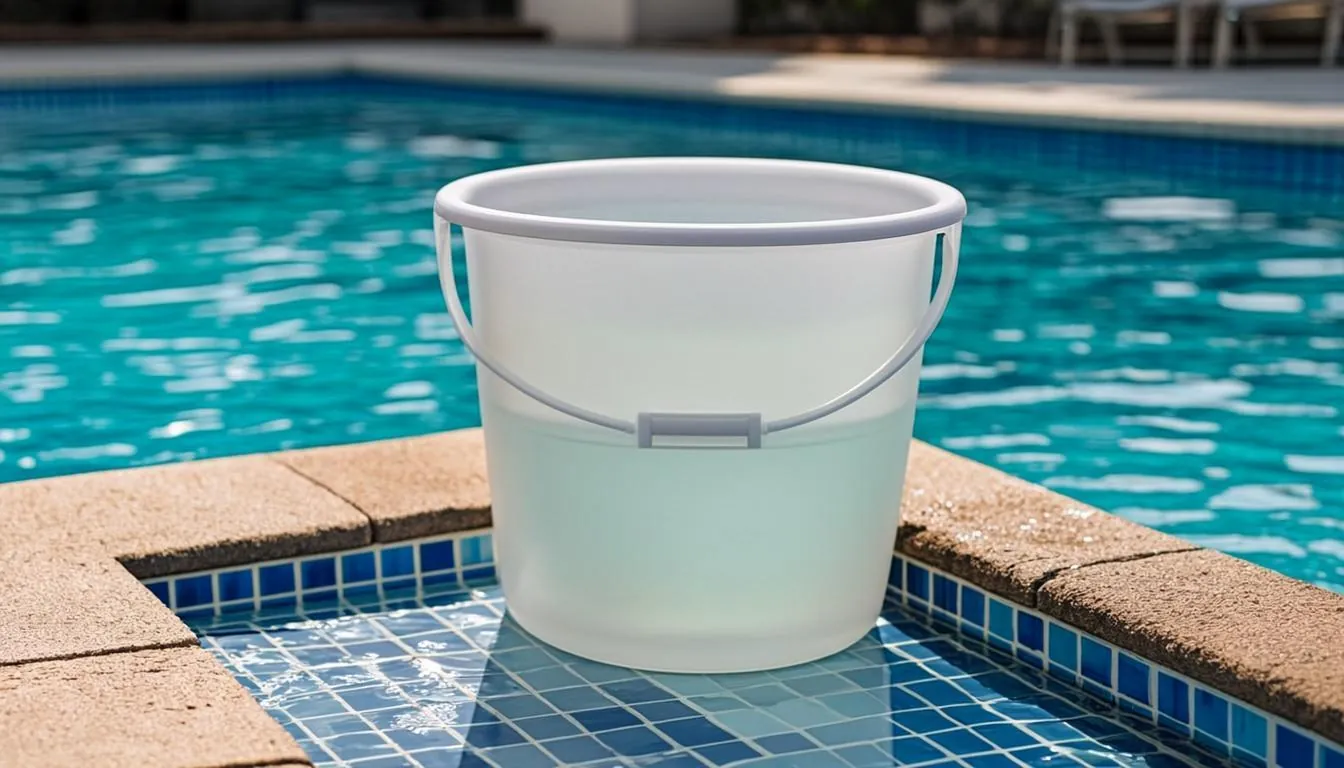
The bucket test answers that cheaply, and it is the first thing a visit will confirm or replace.
- Set the bucket. Place it on a pool step and fill it to the same level as the surrounding waterline, inside and out.
- Freeze the system. Pump and autofill go off for the test window, and the start time gets written down.
- Wait it out. A full day tells the truth better than an afternoon.
- Compare the drops. Pool water falling farther than the bucket's waterline means the system is losing water somewhere beyond weather.
Evaporation is real in Florida and varies with wind, sun, and bather load, so a bucket that matches the pool is genuinely good news. A pool that outruns its bucket deserves instruments.
Where the Water Goes
Losses concentrate in a handful of zones, and knowing the map speeds the search.
- Shell and fittings. Cracks, light niches, and return fittings weep at rates a dye test can confirm in minutes.
- Buried plumbing. Pressure and suction runs under the deck lose through joints, and each side announces itself differently when the pump changes state.
- Equipment pad. Valves, unions, and the filter tank drip where the whole system is easiest to watch.
The pump's behavior is a decent informant. Air collecting in the lid points toward the suction side, while a level that only falls while equipment runs leans toward pressure-side plumbing. Dye tests, isolation valves, and pressure gauges sort the rest.
What Instruments Add to the Bucket
A confirmed leak still needs an address, and that is where the professional kit takes over. Pressure testing isolates each underground run and makes the guilty line name itself. Acoustic listening hears the escape through deck and soil. Shell assessment narrows the structural questions before anyone talks about resurfacing. The end point is identical to every other service on this site: a marked location, documented, with the repair quoted per case from real findings rather than from a deck-and-pray excavation.
Symptoms Worth a Call, by the Pad
The equipment pad tells on a pool faster than the deck does.
| What the pad shows | Likely zone | First check |
|---|---|---|
| Level falls mainly while the pump runs | Pressure-side plumbing | Pressure test the return and cleaner lines |
| Level falls mainly with the pump off | Shell, fittings, or suction run | Dye test fittings, then isolate the suction side |
| Air at the returns or a bouncing pump lid | Suction side | Watch the lid under load and trace the run |
| Damp soil beside the pad | Valves and manifold | Dry the area and watch where damp returns |
The supply story behind every pool question: Siesta Key is an unincorporated island served by Sarasota County Public Utilities, so the water feeding the house and the auto fill comes from the county system while the pool itself stays a sealed loop. Confirming that split keeps the search pointed at the right plumbing.
What Pool Leak Detection Costs on Siesta Key
Pool leak detection Siesta Key FL pricing mostly falls between $175 and $575, shaped by access around the deck, the equipment layout, and which tests the symptoms call for. The visit ends with the leak marked and the findings written down. Repairs are quoted per case after locating, since a fitting at the pad, a joint under the deck, and a shell issue are three different projects with three different price tags. Household-side leaks follow a different path, covered by water leak repair, and under-floor questions by slab leak detection.
Rentals, Turnovers, and the Silent Drain
A rental pool has a masking problem that full-time homes rarely see. Guests refill for comfort, an autofill quietly tops off what the season takes, and the true loss rate hides inside a summer of happy swimming. Between stays, the mask comes off: note the level, leave the autofill off for a day, and compare against the bucket logic above. A property manager who keeps that habit catches leaks while they are still a line item instead of a deck project.
Boundaries matter here as much as instruments do. Pool plumbing is its own sealed circuit, separate from the lines that feed the house, and the search respects that border instead of blending systems together. Keeping pool leak detection Siesta Key FL visits inside that lane is what makes the findings trustworthy and the repair scope real.
Why Rental Pool Owners Call This Team
Bucket-Test Honesty
Nobody benefits from diagnosing evaporation, so the visit starts by making sure a leak exists at all. That habit protects owners from opening decks on behalf of weather. Whatever the conclusion, it arrives with the readings that support it, and a clean bill gets the same paperwork as a marked leak. The same discipline applies to autofill questions that mask losses for months.
Sealed-System Thinking
Pool, irrigation, and household supply stay three separate systems in this analysis, and the pool page keeps its own borders. Over two decades of Florida water work reinforce how much confusion that separation prevents. Cross-system blame wastes visits, so the border gets verified before the instruments come out, and a leak found in the right system is a leak that stays fixed.
Scheduling Around the Season
Visits book around guest calendars rather than against them, and dispatch at (941) 337-1250 stays live when a property manager finds standing water at a pad on a Saturday night. Island visits are normal dispatch work, not special trips. A call placed early in the season is the cheapest one a pool owner ever makes.
Water loss in a pool compounds quietly, and the bill for waiting lands in autumn when the calendar is already full. Pool leak detection Siesta Key FL appointments close that window, and questions about the rest of the property's water start at the leak detection hub. Start with the bucket; the instruments finish the argument.
Related Services
Related services for the next step:
The Same Service in Nearby Communities:
Frequently Asked Questions
How much water loss is normal in Florida heat?
Evaporation varies with sun, wind, and bather load, so no fixed figure applies. The bucket test is what settles it: fill a bucket on a step to match the waterline, shut the system down, and compare the drops after a day. Pool falling farther than bucket means a leak worth finding.
Can an autofill hide a pool leak?
It can, and on rental properties that masking is routine. An autofill tops off whatever the leak takes, so the level looks stable while the meter quietly records the loss. Turning the autofill off for a day and watching the level is the cheapest diagnostic a pool owner can run.
Is pool plumbing connected to the house plumbing?
The pool is its own sealed circuit for circulation and filtration, filled from the household supply through a dedicated line. That border matters diagnostically, because pool losses and household leaks behave differently and get searched with different tools. Keeping the systems distinct is what keeps the diagnosis honest.
How does a professional search find what the bucket test cannot?
Certainty and an address. Pressure testing isolates each buried run, acoustic listening hears the escape through deck and soil, and shell checks narrow structural questions. The visit ends with the leak marked and the findings written down, so any repair gets quoted per case from evidence rather than guesswork.
When should a rental pool owner call?
Early in the season, ideally, before guests arrive and masking begins. A steady level drop with the pump on or off, air at the returns, damp soil near the pad, or an autofill that never rests all justify a visit. Catching the leak in spring is cheaper than discovering it in fall.
Stop the Quiet Pool Loss
A bucket test and a pressure check separate evaporation from a real leak.
Get a Free Estimate
Connect with top-rated local pros in minutes
Need immediate plumbing assistance?
Prefer to talk to a specialist now? Call (941) 337-1250
Safe & Secure. Free matching service with licensed local contractors.