Slab leak repair Siesta Key FL planning works best as a follow-on to a located leak, because the report from the search phase tells the repair phase which ladder to climb. Spot fix, reroute, or repipe: the choice comes from the findings, not from habit. Lining exists as a specialty tool for the rare case where the structure genuinely suits it, and it never gets treated as a default.
The Option Ladder, In Order
Three paths cover nearly every under-slab repair, and each one earns its place under specific conditions.
- Spot repair. One opening at the marked location, new pipe sectioned in, and pressure proof taken before the floor closes again.
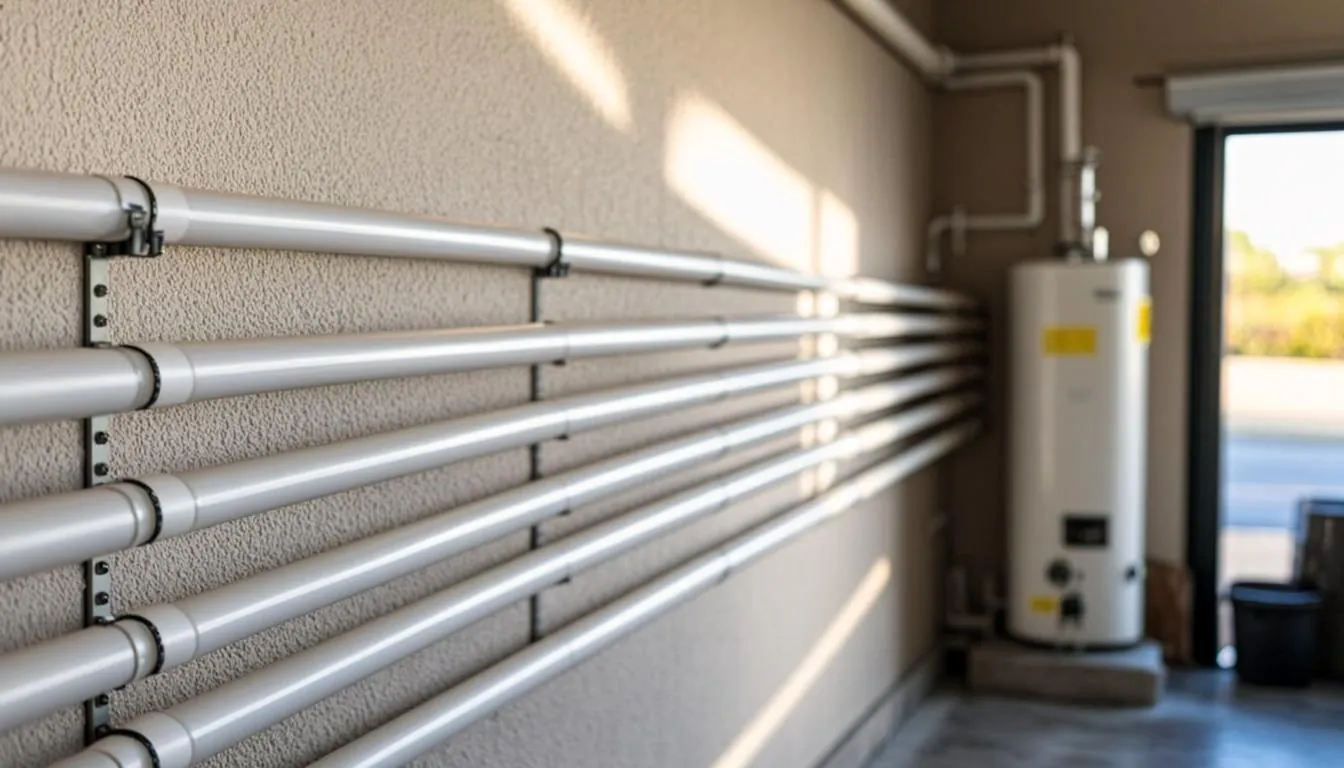
- Reroute. The tired under-slab run gets abandoned and a new line travels through walls, chases, or overhead where it can be reached for the rest of its life.
- Repipe. When findings show age or failure across the system rather than at one point, replacing the whole supply path retires the question permanently.
Which rung applies is a function of the run's length, the pipe's condition around the failure, and what the finishes above it are worth. The detection report usually settles the argument before anyone asks. Supply-side work elsewhere in the house follows the same logic on the water leak repair page.
Spot Repair and Reroute, Side by Side
The two most common paths trade openness against reachability, and the table lays that trade out.
| Consideration | Spot repair | Reroute |
|---|---|---|
| Opening required | One access point at the mark | Wall or chase routes instead of floor work |
| Best fit | Short run, sound pipe around the failure | Long or aging runs that invite repeat failures |
| Future access | Pipe stays under the slab, for better or worse | New line lives where the next round of service is easy |
| Timeline | Fastest return to normal | A longer project that buys permanent reachability |
What the Workday Looks Like
Repair days follow a script that starts long before the first tool touches a surface.
- Review the report. The marked location and the detection findings set the day's scope.
- Isolate and drain. The affected run closes and drains so work happens dry.
- Open at the mark. The smallest workable access comes out exactly where the evidence put it.
- Repair and verify. New material goes in, then the section returns to line pressure under watch.
- Close and document. Surfaces get their restoration notes, and the file gains photos of what changed.
One service-context note first: Siesta Key is an unincorporated island whose water and wastewater come from Sarasota County Public Utilities, which means repair planning always starts from the private side of the county's meter. That boundary also decides who pays for what.
The Cost Picture for Slab Leak Repair
Slab leak repair Siesta Key FL quotes arrive per case after locating, with depth, material, accessibility, and restoration driving the number that finally lands. The search that produces the mark is its own visit, as the leak detection hub explains, and most of those calls run $175 to $575 once access and method are known. Nobody gets asked to approve a number before the scope exists to price it.
Island Details That Shape the Job
High ground around here is a relative term, and a water table that can sit shallow complicates any open excavation, which argues for reroutes where the evidence supports them. Finished floors lean premium on the island, so the smallest-possible-opening discipline is not aesthetic fussiness; it is cost control. Timing helps too, because a repair booked into a vacancy window between guest stays turns a disruptive week into an invisible one.
Cause language stays neutral throughout the process for a reason. Pipe degradation, joint failure, settlement, and aging materials each produce the same symptom and demand different scopes, so the repair is built from the findings rather than from a theory. Anything else is guesswork with a floor price.
Why the Repair Phase Stays With This Crew
Options Priced From Findings
Every scope presented traces back to something the evidence showed, whether that is one failed section or a run that has reached the end of its patience. Quotes name the opening, the materials, and the verification steps. Comparing a spot fix against a reroute becomes a business decision instead of a gamble, and the difference shows in the result.
Respect for Finished Space
Floors, tile, and cabinetry get treated as part of the job rather than as obstacles to it. Openings get sized honestly, protection goes down before work starts, and the restoration notes leave nobody guessing about what comes next. Over two decades of working inside finished Florida homes built that habit, and it holds at every price point.
One Team From Proof to Patch
The crew that verified the leak under pressure is the crew that hands the property back, which keeps accountability in one place. Dispatch at (941) 337-1250 stays live around the clock for situations that will not wait. A follow-up question after the close gets answered by people who were actually on site.
An under-slab repair is a project with a beginning, a middle, and a documented end, and it starts with knowing the mark. Slab leak repair Siesta Key FL work runs on that discipline, and the slab leak detection page explains how the mark gets made. Bring the question; the answer arrives priced, sized, and verified.
Related Services
You may also need one of these:
The Same Service in Nearby Communities:
Frequently Asked Questions
Is rerouting always better than opening the slab?
Not always, and the findings decide. A short run with sound pipe around the failure usually suits a spot repair, while a long or aging run often justifies a reroute that puts the new line somewhere reachable. Neither option is a default; the detection report is what ranks them for your building.
What happens to my flooring during the work?
Protection goes down first, the opening gets sized to the mark, and every surface that comes out gets photographed before it does. When the work closes, you receive restoration notes describing what each area needs to look right again, whether that is tile, wood, or another finish entirely.
Can a slab leak be fixed without opening the floor at all?
Sometimes. Rerouting sends the replacement line through walls or overhead, leaving the slab closed, and that option suits long or repeatedly failing runs. Epoxy lining exists for the narrow set of cases where the structure genuinely allows it. The evidence picks the route, and the route gets approved before work starts.
Do you handle the detection and the repair together?
Yes, one team carries both phases, which keeps the search findings from degrading into telephone-tag folklore. If a separate locating visit already produced a report, bring it; the repair plan builds on documented findings either way. Continuity from mark to verified close is the point.
Will insurance cover a slab leak repair?
Coverage depends on your policy, and the honest move is to read it or ask your carrier before assuming anything. Insurers generally want documentation of what was found and where, which is exactly what the detection report provides. Repairs get quoted per case, and the paperwork supports whatever conversation follows.
Repair the Slab, Save the Floor
Spot fix, reroute, or repipe, chosen from evidence and approved before work starts.
Get a Free Estimate
Connect with top-rated local pros in minutes
Need immediate plumbing assistance?
Prefer to talk to a specialist now? Call (941) 337-1250
Safe & Secure. Free matching service with licensed local contractors.